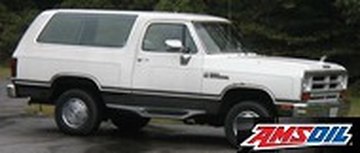
Maintaining Lubrication Integrity for the 1982 Dodge Trucks RAMCHARGER 5.2L
Proper engine maintenance is a cornerstone of long-term vehicle health, particularly for a vehicle with the history and mechanical profile of a 1982 Dodge Trucks RAMCHARGER. Ensuring that the lubrication system remains clean and effective helps manage the internal environment of the 5.2L engine, supporting its continued operation through regular service intervals.Monitoring Fluid Condition and Potential Seepage
A proactive approach to maintenance involves regular visual inspections of the engine bay. For an older vehicle, observing the cleanliness of the engine block and surrounding components can provide valuable information regarding the integrity of various seals and gaskets. When performing routine checks, look for signs of fluid seepage or active leaks. It is important to note that a visible stain or a damp area around a component does not always indicate a specific part has failed; rather, it warrants closer investigation to determine if a seal is aging or if a connection has loosened. If you notice any accumulation of oil in the engine bay, it should be addressed to prevent further issues. Beyond just looking for leaks, pay attention to the appearance of the lubricant itself when checking levels. While color and clarity can vary based on the type of oil used and the time elapsed since the last service, significant changes in texture or an unusual odor may indicate that the oil has been subjected to extreme conditions or has become contaminated.Observing Operational Indicators
Maintaining a 1982 Dodge Trucks RAMCHARGER requires staying attentive to how the vehicle behaves during operation. While many mechanical issues are not immediately apparent, certain symptoms can serve as early indicators that something requires professional attention. If you notice changes in how the engine sounds or feels while idling or under load, these should be investigated. For example, unusual mechanical noises can sometimes be associated with lubrication levels or the condition of various moving parts. Similarly, if you observe any unexpected exhaust characteristics, such as smoke, it may indicate that oil is entering the combustion process. It is vital to remember that a single symptom can have many different causes. An indicator like an unusual odor or a change in engine sound does not provide a definitive diagnosis on its own, but it serves as a prompt to perform a more thorough inspection of the engine and its supporting systems.Prioritizing Maintenance Based on Current Condition
As vehicles age, the most effective way to manage maintenance is to focus on the actual condition of the components rather than relying solely on the age of the vehicle. For an owner of a 1982 Dodge Trucks RAMCHARGER, this means establishing a baseline of what is currently functioning correctly and what shows signs of wear. If you do not have access to a complete service history for the 5.2L engine, your first priority should be to establish that baseline. This can be done through a comprehensive inspection of all fluids, belts (if equipped), and hoses. Once you understand the current state of the vehicle, you can prioritize tasks effectively:- Address active concerns first: If there is evidence of an active leak or a warning light is illuminated, these issues take precedence over general preventive maintenance.
- Monitor fluid consumption: Keep a record of how much oil is added between service intervals. A sudden increase in the amount of lubricant needed can indicate a change in engine health.
- Evaluate aging materials: Inspect components like rubber hoses or electrical connectors for signs of cracking, brittleness, or corrosion.
- Review maintenance records: If any previous repair history is available, use it to identify patterns or parts that may be nearing the end of their service life.
Managing Engine Longevity Through Cleanliness
The internal environment of any engine is heavily influenced by the quality and cleanliness of its lubricant. Over time, even high-quality oil can accumulate microscopic debris or undergo chemical changes due to heat and exposure to combustion byproducts. Maintaining a consistent service schedule helps ensure that these contaminants are removed regularly. This process is essential for preventing the buildup of deposits that can interfere with the smooth movement of internal components. For an engine like the 5.2L, keeping the lubrication system free of sludge and heavy deposits is a primary factor in supporting long-term mechanical stability. Furthermore, ensuring that the crankcase ventilation system is functioning correctly—if equipped—is another way to manage the internal environment. A properly ventilated system helps prevent the buildup of pressure and moisture, both of which can negatively impact the lubricant's effectiveness over time.Practical Steps for Long-Term Ownership
Successful long-term ownership of a classic vehicle like the RAMCHARGER involves more than just occasional repairs; it requires organized record-keeping. Documenting every oil change, filter replacement, and mechanical repair creates a roadmap of the vehicle's life. This documentation is particularly useful when:- Selling or transferring ownership: A well-documented service history demonstrates that the vehicle has been cared for properly.
- Troubleshooting new issues: Having a record of when certain parts were last replaced can help narrow down the potential causes of a new problem.
- Predicting future needs: Seeing the frequency of certain maintenance tasks can help you budget for upcoming service requirements.
Buying Engine Oil for the 1982 Dodge Trucks RAMCHARGER 5.2L
When it is time to replenish your engine's lubricant, the most important step is to ensure that the product you select matches the specific requirements of your application. Do not rely on general assumptions about what an older truck might need; instead, always refer to the application-specific information provided on this webpage. Before making a purchase, consider the following:- Match the viscosity: Use the vehicle-specific oil viscosity listed in the application information on this page. Do not attempt to use a different grade based on memory or general automotive trends.
- Check the labeling: Always verify that the product packaging clearly states it meets the appropriate API service categories for your engine type.
- Evaluate formulations: Depending on your specific needs and the current condition of your engine, you may choose between conventional, synthetic blend, or full synthetic oils. Some high-mileage oil formulations also contain additives intended for use in aging engines, including seal-conditioning additives.